Choose Beacon top Paving Contractor for Quality Asphalt Work
Paving Solutions: Improve Your Property With Expert Paving Services
Professional paving services offer major advantages for property enhancement. They not only enhance aesthetics but also raise functionality. Choosing the right materials, such as asphalt or interlocking pavers, can guarantee durability and style. The installation process is key for achieving lasting results. Yet, many homeowners overlook essential maintenance practices that can extend the life of their investment. Understanding these elements is essential for making informed decisions about outdoor spaces. What comes next may amaze you.
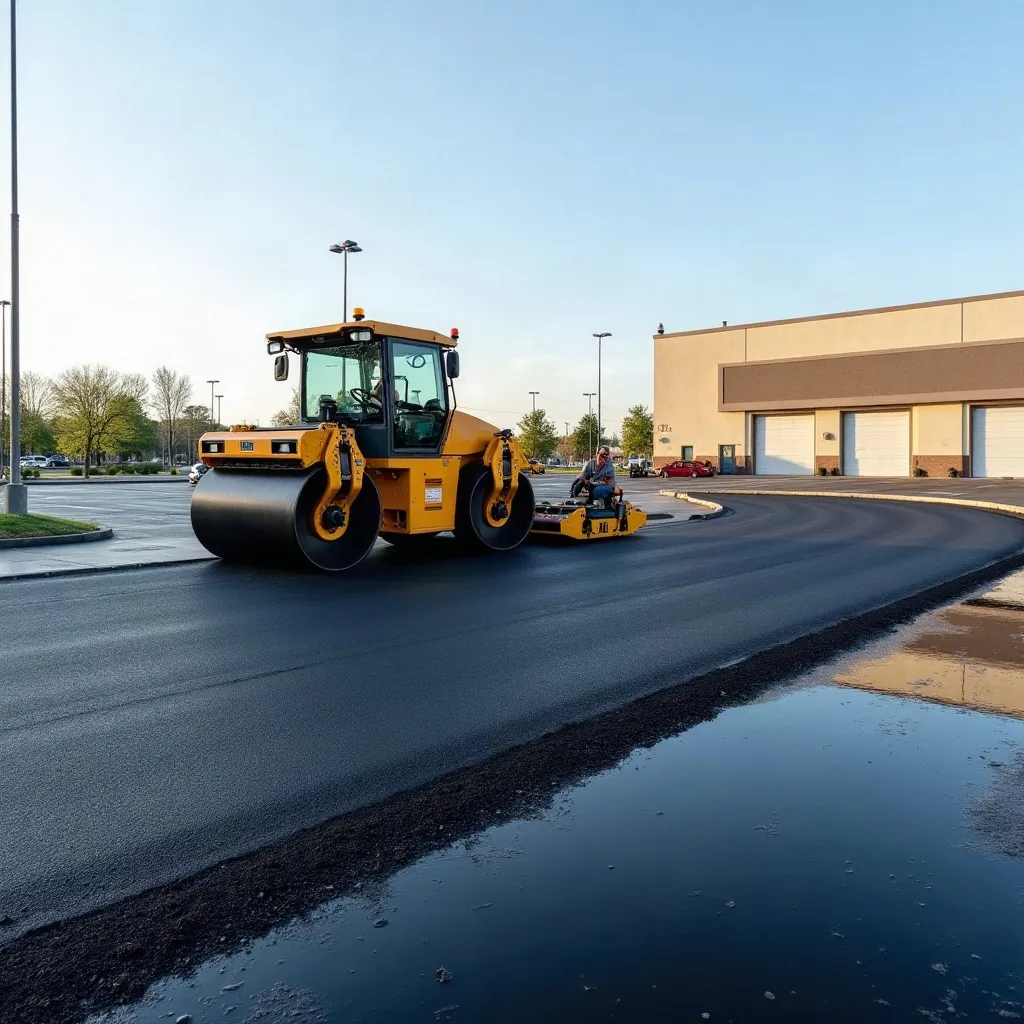
Professional Paving Solutions Enhance Your Home - Here's The Reason
Professional paving solutions transform outdoor spaces, strengthening both functionality and appearance. By applying professional methods and state-of-the-art machinery, these services provide the meticulous preparation and installation of multiple paving types. This attention to detail results in resilient, enduring outcomes that resist degradation and damage while maintaining visual appeal.
Moreover, professional pavement boosts property value, creating inviting walkways, vehicle routes, and patios that appeal to potential buyers. A finished paved area improves safety by curtailing obstacles like uneven ground and thick mire, promoting a more rewarding outdoor experience.
Furthermore, knowledgeable practitioners can deliver custom-made plans suited to specific needs, assuring that every project reflects the property's unique character.
Pick the Top Pavement Options for Your Work
In what ways can homeowners find the most appropriate paving materials for their projects? Selecting the correct material matters for both looks and function.
First, property owners should consider the particular purpose of the paved area. For driveways, durable materials like asphalt or concrete are often favored due to their durability and long-term performance. In contrast, for patios or walkways, choices like pavers or bricks can offer aesthetic value and flexibility.
Next, climate exerts a significant role. Areas with copious rain may advantage from absorbent materials that allow for better drainage, lowering the probability of flooding.
In addition, servicing demands should be reviewed; some materials require more care than others.
Finally, budget constraints will influence the choice. While premium materials may require a greater upfront cost, they often lead to long-term savings through durability and reduced repair costs.
Therefore, comprehensive assessment of these factors will empower property owners to make informed choices.
Asphalt Paving Rewards
Asphalt surfacing stands out as a leading choice for homeowners seeking durable and cost-effective alternatives for their pathways and driveways. One of its main benefits is its durability; asphalt can withstand heavy traffic and harsh weather conditions, making it perfect for residential use.
Moreover, asphalt is reasonably priced in comparison with other paving materials, permitting homeowners to get a top-tier appearance without straining their budget. The installation process is also fast, usually done within a day, limiting disruption to daily life.
Additionally, asphalt is easy to care for, requiring only regular seal coatings to extend its durability. These benefits make asphalt paving a sensible and wise option for enhancing property visual appeal and utility.
Interlocking Paver Benefits
Property owners evaluating paving options discover that interlocking pavers give distinct advantages that augment both visual appeal and utility.
These flexible pavers come in diverse shapes, colors, in-depth guide and textures, facilitating creative design possibilities that can match any property style. Additionally, interlocking pavers deliver superior durability, avoiding cracking and shifting, which is particularly valuable in regions with unstable temperatures.
In addition, their specialized form encourages rapid water movement, diminishing the risk for flooding and erosion. This water-absorbing quality also bolsters green practices by allowing rainwater to refill groundwater supplies.
Finally, the ease of installation and maintenance makes interlocking pavers a practical choice, ensuring that homeowners can enjoy their attractive pavement without demanding maintenance.
Preliminary Site Review
What components affect the initial site evaluation for paving installation? Several key considerations are considered during this essential stage. First, the topography of the land is analyzed to spot any slopes or drainage issues that could affect the paving process. Next, the existing soil conditions are reviewed, as different soil types can determine stability and durability. Additionally, site accessibility is considered to establish how equipment and materials will be moved. Local regulations and zoning laws are also checked to confirm compliance. Finally, existing structures and vegetation are inspected to prepare for any necessary removal or protection. This thorough evaluation establishes the basis for a successful paving project, ensuring that all potential challenges are handled from the outset.
Setup Phases Broken Down
With a thorough site evaluation finished, the paving placement procedure can begin.
The early phase comprises ground readiness, where any old materials are stripped away and the ground is leveled. Then, a base layer is fitted, typically constituted by gravel or fragmented stone, which establishes durability and moisture control.
Then, the designated surface material—such as asphalt or concrete—is laid down. This phase requires attentive execution to confirm a smooth finish and correct alignment.
Once the pavement is in place, it is compacted to enhance durability. Finally, curing takes place, allowing the material to set properly.
Throughout the process, effective dialogue with the property owner is required to address any concerns and guarantee contentment with the final end result.
Pavement Care Strategies for Prolonged Performance
Even though paving surfaces are created for long-lasting performance, regular maintenance is vital to ensure their extended life. Periodic evaluations must be performed to detect cracks, potholes, or signs of wear. Swift repairs can stop further damage and increase the lifespan of the asphalt.
Additionally, keeping the surface clear is crucial; dirt, foliage, and grime can hold moisture, leading to deterioration. Regular cleaning and occasional power washing help preserve a pristine appearance and performance.
Applying sealant every few years can protect the surface from weathering and UV damage, while also enhancing its aesthetic appeal.
In conclusion, dealing with drainage issues is significant. Proper drainage systems stop water accumulation, which can damage the paving material over time.
How to Discover a Trustworthy Paving Contractor
Locating a dependable paving contractor is a vital step for property owners attempting to set up or upgrade their paving surfaces. To commence, individuals should ask for recommendations from friends, family, or local businesses that have recently completed paving projects. Online reviews and feedback can also deliver insights into a contractor's reputation.
Once potential professionals are identified, it is important to validate their credentials, encompassing licenses and insurance. A professional contractor should offer a detailed written bid that outlines the scope of work, materials, and timeline.
In addition, seeking feedback from previous clients can help determine the contractor's trustworthiness and work quality. It's also advisable to inquire regarding warranties on labor and materials.
In conclusion, advancing candid communication and transparency during initial consultations can foster a solid partnership built on trust, leading ultimately to a successful paving project that meets expectations.
Frequently Asked Questions
How much time Will a Typical Paving Project Require to Finish?
A standard asphalt job generally takes 1-3 days to complete, based on factors such as the project's size, intricacy, climate, and preparation requirements. Proper planning can assist in expedite the work effectively.
Which Permits Are Necessary for Paving Implementation?
Normally, concrete paving requires permits such as local construction permits, zoning approvals, and environmental inspections. Rules differ based on location, so liaising with local authorities guarantees compliance with pertinent legal requirements for the initiative.
Can You Perform Paving in Winter or Rainy Seasons?
Paving can be troublesome during winter or rainy seasons due to temperature and moisture concerns. Cold weather can obstruct proper curing, while excessive rain may cause surface issues, leading to potential enduring harm. Strategic forethought is essential.
What Steps Should I Consider if My Driveway Becomes Cracked?
When pavement shows fractures, the initial action is to evaluate the harm. Following that, clear the area thoroughly, fill the cracks with appropriate sealant, and consider expert services to prevent additional damage and preserve safety.
How can I verify if my paving contractor holds a license?
To ascertain if a paving contractor holds valid professional license, one must verify their credentials through local licensing boards, request a copy of their license, and look for insurance protection, ensuring compliance with industry regulations and safety standards.