Explore Beacon top Paving Contractor for Parking Lot Paving
Paving Solutions: Upgrade Your Property With Trusted Paving Services
Professional paving services offer notable advantages for real estate enhancement. They not only improve aesthetics but also increase functionality. Choosing the best materials, such as asphalt or interlocking pavers, can assure durability and design. The installation process is important for achieving lasting results. Yet, many homeowners ignore essential maintenance practices that can extend the life of their investment. Understanding these elements is vital for making informed decisions about outdoor spaces. What comes next may astonish you.
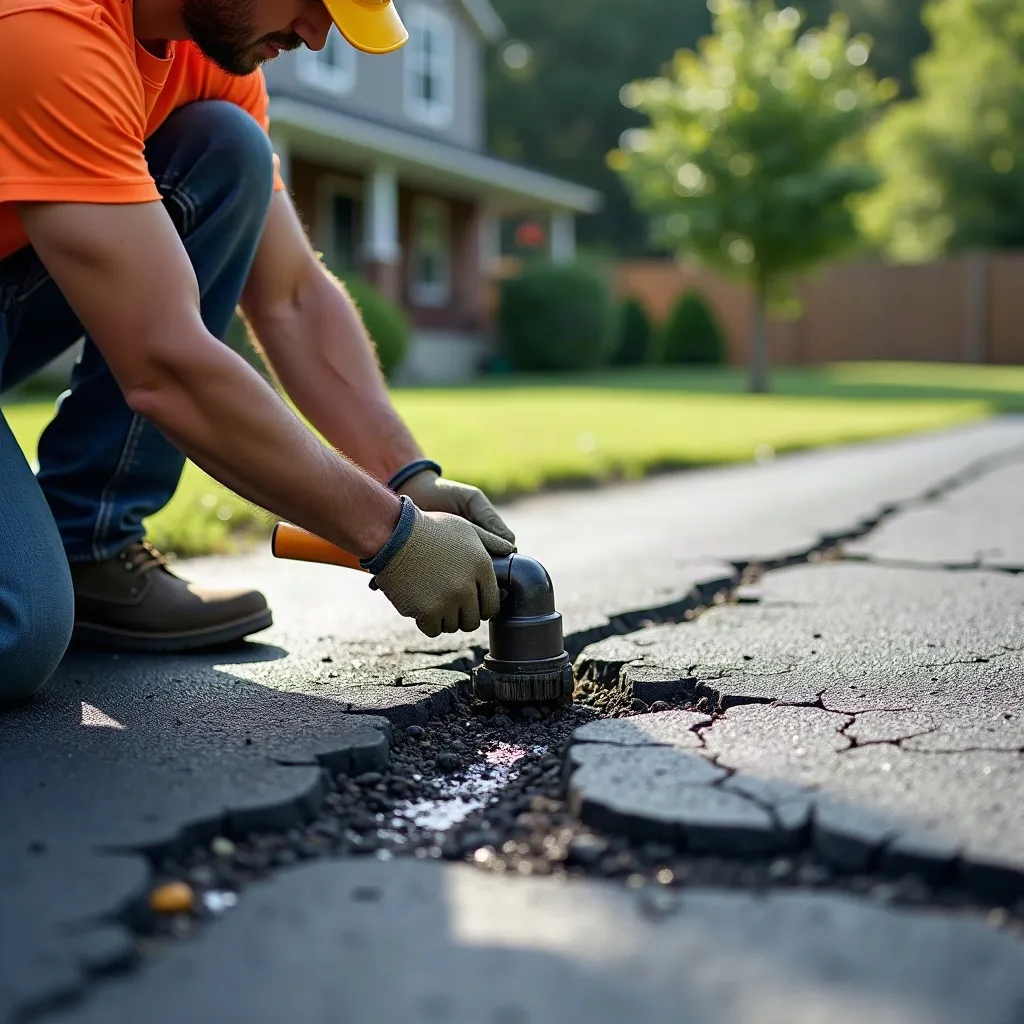
Professional Asphalt Services Improve Your Home
Professional paving services revolutionize outdoor spaces, enhancing both practicality and aesthetics. By employing expert techniques and modern equipment, these services ensure the careful preparation and installation of various paving surfaces. This focus on precision results in sturdy, enduring outcomes that resist damage and degradation while preserving visual appeal.
Moreover, quality paving boosts property value, creating inviting walkways, driveways, and outdoor areas that appeal to potential investors. A completed pavement surface improves safety by curtailing hazards like uneven ground and heavy mud, furthering a more enjoyable outdoor setting.
Moreover, veteran consultants can create tailored designs fashioned to client preferences, verifying that all projects corresponds with the property's individual identity.
Choose the Top Pavement Options for Your Project
What approach should property owners take when choosing the best paving materials for their projects? The right material selection is vital for both functionality and aesthetics.
First, landowners should consider the specific use of the paved area. For driveways, durable materials like asphalt or concrete are often selected due to their strength and longevity. In contrast, for patios or walkways, selections like pavers or bricks can present visual appeal and versatility.
Next, weather conditions plays a significant part. Areas with heavy rainfall may benefit from porous substances that enable for improved water flow, reducing the likelihood of water overflow.
Also, upkeep demands should be appraised; some materials require more maintenance than others.
In the end, spending limits will impact the choice. While superior materials may involve a considerable initial cost, they typically yield lasting savings through durability and lower repair costs.
Consequently, careful consideration of these elements will direct property owners to make well-reasoned decisions.
Asphalt Paving Strengths
Asphalt surfacing represents a leading choice for homeowners pursuing durable and cost-effective alternatives for their driveways and walkways. One of its primary benefits is its durability; asphalt can endure heavy traffic and harsh weather conditions, making it perfect for residential use.
In addition, asphalt is cost-conscious relative to other paving materials, allowing for homeowners to achieve a superior quality appearance without going over budget. The installation process is also expedient, routinely wrapped up within a day, lessening disruption to daily life.
Additionally, asphalt is simple to maintain, requiring only regular seal coatings to extend its durability. These strengths make asphalt paving a practical and intelligent investment for improving property appearance and performance.
Interlocking Paver Advantages
For property owners exploring paving options, interlocking pavers provide unique advantages that improve both aesthetics and functionality.
These flexible pavers come in diverse shapes, colors, and textures, permitting innovative design opportunities that can complement any property style. Additionally, interlocking pavers ensure excellent durability, resisting cracking and shifting, which is particularly beneficial in regions with changing temperatures.
Furthermore, their unique aesthetic facilitates efficient moisture removal, decreasing the risk of flooding and erosion. This porosity also aids ecological responsibility by facilitating rainwater to replenish groundwater supplies.
All in all, the trouble-free setup and upkeep makes interlocking pavers a practical choice, allowing property owners to appreciate their gorgeous pavement without excessive upkeep.
First Site Inspection
What considerations affect the first site evaluation for paving installation? Several key points are involved during this essential stage. First, the topography of the land is analyzed to identify any slopes or drainage issues that could interfere with the paving process. Next, the current soil conditions are evaluated, as different soil types can determine stability and view this guide durability. Additionally, site accessibility is considered to figure out how equipment and materials will be moved. Local regulations and zoning laws are reviewed to confirm compliance. Finally, existing structures and vegetation are evaluated to account for any required removal or protection. This detailed evaluation establishes the basis for a successful paving project, making sure that all potential challenges are addressed from the start.
Installation Phases Explained
With a comprehensive site survey finished, the paving installation process can proceed.
The preliminary stage encompasses location preparation, where any existing materials are eliminated and the ground is leveled. In the next step, a lower layer is installed, typically featuring gravel or crushed stone, which delivers firmness and water management.
Subsequently, the selected paving material—such as asphalt or concrete—is applied. This phase necessitates precise installation to guarantee a smooth finish and proper alignment.
After the asphalt surface is installed, compaction occurs to increase durability. Finally, the curing process happens, letting the material to solidify properly.
Throughout the procedure, clear dialogue with the property owner is essential to resolve any issues and assure contentment with the final outcome.
Pavement Maintenance Recommendations for Long-Term Lifespan
Even though paving surfaces are engineered for long-lasting performance, regular maintenance is vital to ensure their extended life. Periodic evaluations must be performed to detect cracks, potholes, or signs of wear. Timely fixes can stop continued deterioration and extend the lifespan of the pavement.
In addition, ensuring the surface tidy is vital; waste, leaf litter, and soil can capture moisture, leading to deterioration. Regular brushing and intermittent power washing aid sustain a spotless appearance and effectiveness.
Applying sealant every few years can protect the surface from weather exposure and ultraviolet degradation, while also strengthening its aesthetic appeal.
Finally, tackling drainage issues is significant. Proper drainage systems prevent water buildup, which can weaken the paving material over time.
How to Find a Reliable Paving Contractor
Locating a credible paving contractor is a essential step for property owners working to set up or upgrade their paving surfaces. To commence, individuals should request recommendations from acquaintances, loved ones, or neighboring enterprises that have recently completed paving projects. Online testimonials and feedback can also supply insights into a contractor's reputation.
Once potential contractors are found, it is vital to check their credentials, including licenses and insurance. A professional tradesperson should offer a detailed written estimate that outlines the work scope, materials, and timeline.
Moreover, asking for references from clients can help determining the contractor's reliability and quality of work. It's equally recommended to question warranties on workmanship and materials.
In conclusion, supporting open dialogue and honesty during initial consultations can create a solid partnership built on trust, leading ultimately to a well-executed paving endeavor that exceeds expectations.
Questions That Are Frequently Inquired
What Timeframe Should You Expect for a Standard Paving Project to Finish?
A typical asphalt job generally takes 1-3 days to complete, based on variables such as the size of the project, intricacy, climate, and prep work needed. Proper planning can assist in expedite the process efficiently.
What Approvals Do You Require for Paving Placement?
As a rule, asphalt paving requires authorizations like local building permits, zoning approvals, and environmental assessments. Regulations change by location, so reaching out to area officials guarantees observance with necessary legal requirements for the job.
Can You Perform Paving in Winter or Monsoon-Like Weather?
Paving can be demanding during winter or rainy seasons due to thermal fluctuations and dampness. Cold weather can disrupt proper curing, while excessive rain may cause surface issues, leading to potential long-term damage. Careful planning is indispensable.
What Should I Do if My Asphalt Cracks?
Should pavement fracture, the initial action is to assess the harm. Following this, clean the area completely, fill the cracks with suitable filler, and consider professional repair to avoid additional damage and preserve safety.
How can I confirm if my asphalt professional holds a license?
To figure out whether a paving contractor is licensed, you need to verify their credentials through local licensing boards, require a copy of their license, and check for insurance coverage, ensuring compliance with industry regulations and safety standards.